

Beans to Cup Coffee Machine
Offering convenience quality, versatility and quality, bean to cup machines are ideal for those who prefer milk-based coffee styles like cappuccinos, lattes, or flat whites. They can negate unnecessary coffee purchases, and can improve productivity and satisfaction for staff.
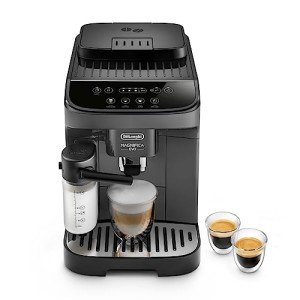
These commercial coffee machines are fully automated. Users can choose and enjoy their favorite drink by pressing the button. They still need regular cleaning and descaling in order to keep them running at their best.
The grinder
The coffee grinder is an equipment used to grind whole beans into coffee that can be used to make coffee. Modern bean-to-cup machines come with an integrated grinder that can save you time and effort, as well as the hassle of preparing the beans prior to making the coffee. The grinder can be either a blade or burr type. They typically have different grind settings to suit different methods of brewing. The art of selecting the best grind setting can be a daunting task. A grinding that is too coarse could result in a bitter cup while too fine a grind might not extract the full flavour.
The main reason to use grinders is that you can enjoy an enhanced, fresher and more flavorful coffee. Coffee that is grind and brewed earlier loses its natural flavour and aroma because the oils are exposed to air. Many coffee drinkers swear by freshly-ground beans for a delicious cup.
There are those who worry that pre-ground beans have a higher chance of becoming stale. This could dull the taste and increase bitterness. This is why a majority of people opt to purchase an electric grinder for their home coffee machine rather than buying pre-ground coffee bags.
It's possible to make use of a food processor to grind your own beans, however their motors aren't designed for working with hard ingredients like coffee beans and they're unable to provide consistent grind sizes. You can also use a mortar-and-pestle. The process of grinding is quite lengthy and you may end up overgrinding some beans. This could impact the quality and consistency of your drink.
Automated grinders come with an hopper that you can fill up with the beans you require for your brew, and then operate by pressing the button. Some come with a visual prompt to inform you that the bin needs to be empty and it's crucial to keep the coffee grounds in the grinder as long as you need it.
The unit that brews the beer
The unit that brews coffee is responsible for putting the coffee grounds into a ball through which water can pass. The resulting cup of coffee is served from the coffee dispenser. The brewing unit is an intricate piece of machinery which ensures the best results each time you use your machine. It is crucial to ensure that the brewing unit is free of debris and other problems. The majority of bean-to-cup machines have a built-in system of water, which makes cleaning the unit easier than ever before.
The majority of coffee machines can make various kinds of drinks, including cappuccinos, lattes and other variations. These features let you modify your drink according to your preferences and taste preferences. Some come with touchscreen displays that allow you to alter your drink at a moment's notice. These options can save a amount of time and money.
To prevent the brewing unit from jamming, the present invention includes an assembly of valves inserted between the chamber for brewing and the outlet for the beverage. The valve assembly can be moved by springs from a beginning position in which the valve member doesn't completely close the seat but leaves a minimal gap, to a second position that completely closes the seating. This mechanism can be used in automatic coffee machines for home and office use, as well as in food-service sites or so called HoReCa (Hotel-Restaurant-Cafe) sites or in public areas.
When the brewing unit is in stand-by mode, the second piston 6, connected to the first piston 5, is separated from the surface of the delivery outlet to ensure that the valve assembly 13 isn't exposed to the adhesion of hard residues to the delivery outlet surface. The coffee drinks that exit the brewing unit are also used for the cleaning of the delivery outlet surfaces and of the valve body from soft residues.
During the preparation phase, the second piston 6 is moved back to its initial position using the extended resilient elements and in this position, the coffee powder can be poured into the chamber of brewing. The wall that moves at the end of the first piston will then be pushed against the coffee in the chamber for brewing.
The water system
Bean-to-cup machines are ideal for those who enjoy coffee but doesn't want messing around with tamping and grinding. They use hot water to make espresso, resulting in a rich dark, dark cup of coffee. Some have a milk dispense system and allow you to add steamed and foamed milk to your beverage, should you wish. This will be automatic or manual, based on the model you pick.
One of the biggest advantages of a bean-to cup machine is that they make use of fresh whole beans, which are ground right before brewing. This preserves the flavor and creates a better cup of coffee. This is in contrast to other machines that use pre-ground coffee that goes to stale faster and loses its flavor after having been ground once.
The water system of a bean to cup machine consists of the pump, a heating unit and an tank. The tank is where the water used for the brewing process is stored. It is essential that this tank be kept clean and filled with clean water to ensure the best results. The heating unit is responsible for bringing the water to the proper temperature for brewing, and the pump maintains pressure throughout the process. Some bean-to-cup machines have a built-in water filter to prevent scale buildup and help keep the coffee tasting fresh.
The control panel on a bean-to-cup machine controls all the processes and settings. You can alter the strength, sweetness, amount of milk, and the type of brew for your coffee. Many models have customizable features that make it easier and faster to enjoy your favorite cup of coffee every time.
It is more environmentally friendly because it does not require plastic cups or paper filters. Furthermore, bean-to cup machines are a good investment for businesses, reducing unnecessary coffee purchases and ensuring staff and customers have access to high-quality coffee at the click of one button.
The control panel
A bean-to cup coffee machine helps you make a cup delicious fresh, freshly brewed coffee. These machines combine brewing and grinding into one unit, and offer various options for customization for each drink. By grinding beans in a single step prior to brewing, they guarantee that the full flavor and aroma is preserved. In addition they are able to offer an array of beverage options and features with adjustable settings for the size of the grind as well as water temperature.
Bean-to-cup coffee machines are available in a variety of prices. They can be found at a reasonable price or higher-end models designed for commercial use. All coffee makers must have the same key components to produce a good cup of coffee, regardless of their price. Knowing these essential components can help consumers make an informed decision when choosing a coffee machine for their home or office.
The control panel is a vital component of every coffee maker and determines the way it functions. The control panel is where you can select the kind of coffee and adjust the strength. Many coffee makers come with touchscreens or digital displays that make it simple to navigate through the options. Some of the more expensive coffee makers may come with programmable recipes to allow you to modify even further your experience.
coffee bean machines www.coffeee.uk of the control panel is the brewing indicator. It will let you know how the brewing process is progressing and if the machine has to be reset. This will also inform you whether the machine is experiencing an error, such as a full water tank or a shortage of beans.
The control panel is at the center of the bean-to-cup coffee maker, and it comes with a range of features. The simplest machines come with simple manual controls, whereas more advanced models include customizable recipes and smartphone app integration. Certain bean-to-cup coffee machines include automatic milk texturizing systems to make an expert-quality cappuccino, or the latte. Other models offer a range of different coffee strengths, including medium, mild, or strong. Some models also have filters that can be reused to eliminate the necessity of reusable coffee filters.